Boost eCommerce Conversions: Reduce Bounce Rates with Email Marketing
Introduction
The eCommerce industry has been booming in recent years, but with the rise of online shopping comes the challenge of high bounce rates. Bounce rate refers to visitors leaving a website after viewing only one page, which can be detrimental to an eCommerce business's success. Fortunately, email marketing can help reduce bounce rates and increase conversions by providing targeted messaging and personalized experiences for customers. Additionally, AI-powered landing page creators like Quick Creator can optimize website structure for SEO, leading to improved search engine rankings and better visibility for potential customers. In this article, we will explore how email marketing combined with optimizing website structure can help boost eCommerce conversions by reducing bounce rates. Benefits of Email Marketing on eCommerce Sites
Email marketing is a powerful tool that eCommerce businesses can use to increase their conversions and reduce bounce rates. By building a targeted email list, you can send personalized messages to your customers, which can help build relationships with them and keep them engaged with your brand.
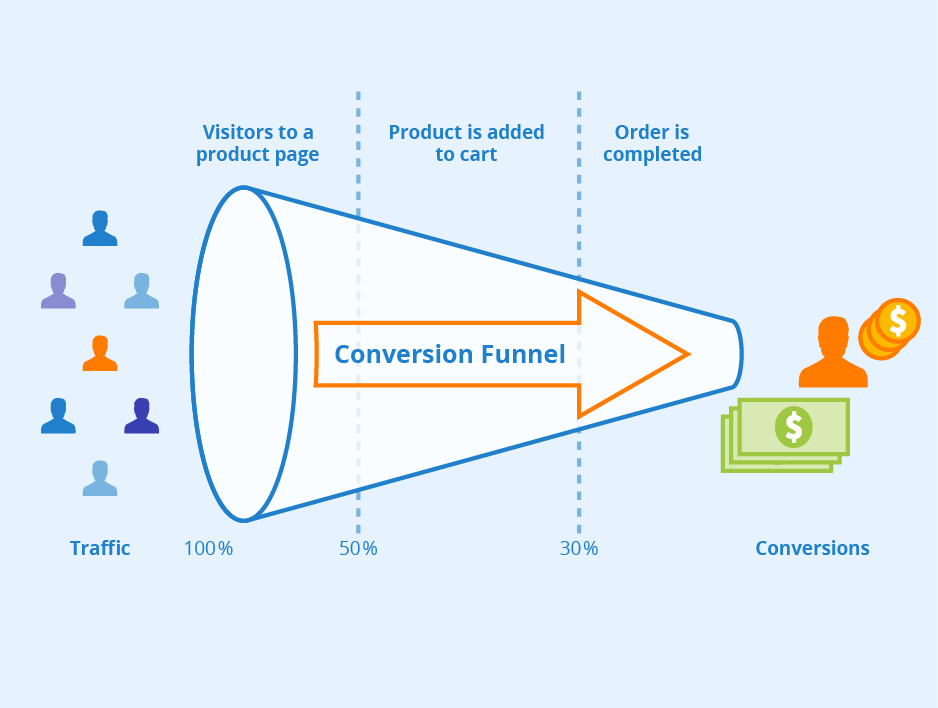
One of the benefits of email marketing on eCommerce sites is that it helps reduce bounce rates. Bounce rate refers to the percentage of visitors who leave a website after viewing only one page. High bounce rates are problematic for eCommerce businesses because they indicate that visitors are not finding what they need on the site or are not interested in making purchases.
Email marketing can help reduce bounce rates by providing targeted content to subscribers. When you send emails, you have the opportunity to tailor your messaging based on their interests and behaviors, which makes it more likely they will click through to your site and make a purchase.
Another benefit of email marketing is its ability to drive repeat business from existing customers. By sending regular updates about new products or promotions, you can encourage customers who may have made only one purchase in the past to return and make additional purchases.
In addition, email marketing allows eCommerce businesses to track customer behavior and preferences over time. This information can be used to create more personalized campaigns that resonate with specific segments of your audience.
Finally, email marketing offers an affordable way for small businesses with limited resources reach out directly consumers without spending much money as compared traditional advertising channels such as TV ads or billboards.
Overall, incorporating an effective email campaign strategy into an eCommerce business's overall digital marketing plan has many benefits including increased engagement leading towards higher conversion rate- ultimately driving revenue growth while also reducing costs associated with acquiring new customers via other paid channels like search engines or social media platforms etc., where competition for visibility remains high due increasing number players entering marketplace every year!
Best Practices for Email Marketing
Email marketing is an effective way to reach out to potential customers and keep existing ones engaged with your brand. However, sending generic emails that fail to resonate with your audience can result in high bounce rates and low conversions. To make the most of your email campaigns, you need to use best practices that improve personalization, segmentation, and content engagement. Personalization
Personalizing emails can help increase open rates and click-through rates by showing recipients that you understand their needs and interests. When creating personalized emails, it's essential to gather as much data about your subscribers as possible. This includes demographic information such as age, gender, location, preferences for product categories or services they are interested in using.
Once you have collected this information from your subscribers' profiles or surveys sent through previous email communications then start tailoring the content based on the subscriber’s history with you. For example: if a subscriber has previously purchased products related to sports equipment on your website then send them a targeted campaign featuring new arrivals in sports gear.
Segmentation
Segmenting email lists involves dividing them into smaller groups based on subscriber characteristics like demographics or behavior patterns (e.g., frequent buyers). Segmenting helps ensure that each group receives relevant messages tailored towards their specific needs rather than being bombarded with irrelevant promotional messages which leads towards unsubscribing.
By segmenting lists based on user action history like purchase frequency/ recency / order value / interest shown etcetera during browsing sessions on websites will enable businesses better target users who are more likely going buy again soon because they recently made purchases but haven't bought anything lately - providing these users incentivizing discounts could lead them back onto buying again!
Engaging Content
The success of any email campaign depends largely upon how engaging its content is – whether it provides value-addition or not? Providing valuable content ensures readers find something useful inside every message received from us which makes sense while clicking through links included within them.
Therefore, it's crucial to ensure that your emails provide value for the reader. This could include informative articles or blog posts relevant to their interests, exclusive discounts and offers, or personalized recommendations based on past purchases. A/B testing different content variations can help you determine what type of content works best for each segment.
Subject Lines
Subject lines play a critical role in email campaigns as they are the first thing subscribers see before opening an email. Therefore, crafting compelling subject lines is essential for increasing open rates. Keep them short and simple; use action verbs like "Get," "Discover," or "Join" to encourage recipients to take action immediately.
Personalization can also be applied here by including recipient’s name within subject lines – this increases the likelihood of getting noticed and breaks through cluttered inbox areas where many other promotional emails reside in waiting mode!
Call-to-Actions
Call-to-actions (CTAs) prompt readers to take specific actions such as purchasing products or signing up for newsletters/ webinars / whitepapers etcetera which helps businesses achieve their goals through effective communication with customers/prospects alike. Make sure CTAs stand out prominently within your emails so users don't have trouble finding them easily - coloured buttons work well! Also try placing CTA at right intervals throughout lengthy messages/content pieces instead of just once at end – this way there will better chances people follow-through right away instead scrolling back again later when they feel ready enough mentally/emotionally invested because copy has been too dragging previously on-screen without any notable break points signifying interest level shifts from one point onto next!
Examples of eCommerce Sites with Successful Email Marketing Strategies
Email marketing is an effective strategy to turn prospects into customers and retain existing ones. Many eCommerce sites have leveraged email campaigns to improve customer engagement, drive sales, and reduce bounce rates. Let's take a look at some successful examples of eCommerce sites with email marketing strategies.
Example 1: ASOS
ASOS is a UK-based online fashion retailer that targets young adults. The company has over 20 million registered users globally and sends millions of emails every week. ASOS's email campaign focuses on personalization, providing relevant recommendations based on the customer's browsing history or purchase behavior. One of the best practices used by ASOS is its welcome email series. When a new user signs up for their newsletter, they receive a sequence of three emails over two weeks that introduce them to the brand and encourage them to make their first purchase through exclusive offers.
Another effective strategy implemented by ASOS is cart abandonment emails. These automated messages remind customers who left items in their carts without checking out and offer incentives such as free shipping or discounts to complete their purchases.
Example 2: Huckberry
Huckberry is an American online retailer that specializes in men's clothing, gear, and gadgets. The company markets itself as a lifestyle brand catering to adventurous men who love outdoor activities like camping or hiking.
Huckberry uses storytelling in its email campaigns effectively. Its newsletters often feature curated content such as travel guides or product reviews written by experts in various fields related to the brand's image.
Moreover, Huckberry also integrates social proof into its emails by showcasing user-generated content (UGC) from Instagram using hashtags specific to each campaign theme. This approach increases engagement among subscribers while promoting brand loyalty through community building efforts.
Example 3: Glossier
Glossier is an American beauty brand known for minimalist skincare products targeted towards millennials and Gen Z consumers. It has gained popularity through word-of-mouth marketing fueled by influencer partnerships and user-generated content.
Glossier's email marketing strategy focuses on exclusive access and limited editions. They often offer early access to new products or limited-edition bundles for subscribers only, creating a sense of urgency among their audience to purchase before supplies run out.
Another best practice used by Glossier is its referral program. Subscribers who refer friends receive discounts or free products, increasing the likelihood of repeat purchases while also expanding the brand's reach through word-of-mouth recommendations.
Conclusion
In conclusion, reducing bounce rates and improving conversion rates in eCommerce is crucial for the growth of any online business. Email marketing is a powerful tool that can help achieve these goals by engaging customers with personalized content and offers. By understanding customer behavior and utilizing targeted email campaigns, businesses can effectively reduce bounce rates and increase conversions. Moreover, implementing best practices such as optimizing subject lines, segmenting audiences, and using clear calls-to-action will further improve the effectiveness of email marketing efforts. In today's competitive eCommerce landscape, investing in email marketing strategies should be a top priority for any business looking to succeed online.