The Power of Accurate Meta Tags & Descriptions on eCommerce Traffic: Boosting Rankings & Engagement
Introduction
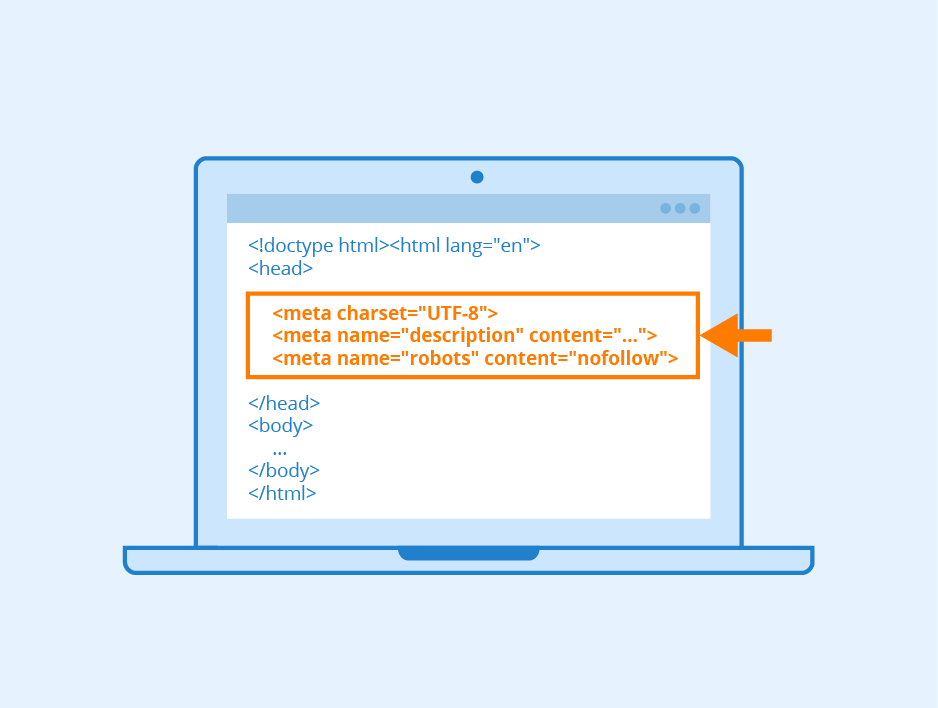
As an SEO specialist in the eCommerce industry, I have witnessed firsthand the power of accurate meta tags and descriptions in boosting website traffic and engagement. Meta tags are snippets of code that provide information about a webpage to search engines, while meta descriptions are brief summaries displayed below the page title on search engine results pages (SERPs). When crafted correctly, these elements can significantly improve a site's ranking on SERPs and increase click-through rates from potential customers. In this blog post, we will explore how accurate meta tags and descriptions can positively impact your eCommerce business by improving your online visibility and encouraging customer engagement. How Accurate Meta Information Improves Search Engine Rankings
What Are Meta Tags and Descriptions?
Meta tags and descriptions are HTML elements that provide information about a web page to search engines. They are located in the head section of a webpage's source code and are not visible on the actual page itself. Meta tags include title, description, keywords, author, and viewport while meta descriptions focus solely on providing a brief summary of what is included on the webpage. The most important aspects for SEO purposes are title tags and meta descriptions as they help search engines understand what your website is about. Title tags should be concise but descriptive enough to give an accurate idea of what content can be found on the page. The ideal length for titles is between 50-60 characters while meta descriptions should be around 160 characters. Why Accurate Meta Information is Important for SEO
Accurate meta information plays a crucial role in improving search engine rankings by helping crawlers better understand what each individual page on your ecommerce website offers its visitors. When it comes to creating optimized pages that appeal to both users and Google algorithms alike, ensuring that every piece of content has relevant metadata attached will help you achieve higher rankings in SERPs (Search Engine Results Pages). By optimizing these elements according to best practices such as including targeted keywords or phrases within them, businesses can increase their visibility online which translates into more traffic coming from organic sources like Google or Bing searches rather than relying solely upon paid advertising efforts.
Additionally, having well-crafted metadata can also help improve click-through rates (CTRs) since they act as previews of what potential customers will find when clicking through from SERPs onto specific product pages or other areas within your site where they may make purchases. How Accurate Meta Information Improves Click-Through Rates
What Are Click-Through Rates?
Click-through rate (CTR) is the percentage of users who click on a website link after viewing it. It provides valuable insight into how well your website is performing in search engine results pages (SERPs). A higher CTR indicates that more people are clicking through to your site, which means more potential customers and revenue. However, achieving a high CTR requires careful attention to your meta information.
Why Accurate Meta Information Increases Click-Through Rates
Accurate meta information can significantly impact the number of clicks on your website. Firstly, it helps search engines understand what content is available on each page so they can provide relevant results to users. This means that when someone searches for a specific keyword or phrase related to your business, accurate meta tags and descriptions will ensure that your web page appears in their search results. Secondly, accurate meta information also makes it easier for users to identify whether or not a particular web page contains the information they need. When people see clear and concise meta descriptions under each result in SERPs, they're more likely to click through because they know exactly what kind of content awaits them.
Thirdly, having unique and descriptive title tags increases user engagement with organic listings as well as paid ads. When you use compelling copywriting techniques such as power words and emotional language along with informative keywords in title tags - this creates an immediate sense of trustworthiness between brand/businesses & consumers/users alike since there's no guesswork involved about what's offered behind those links! In summary, by ensuring that all of your website's metadata accurately reflects its contents – including titles/titles tags , descriptions/meta descriptions – companies within eCommerce industry can boost both traffic volumes while improving overall quality score rankings across various platforms like Google AdWords/YouTube Ads/Facebook Ads/etc., resulting increased conversions without wasting any time/money/resources trying other tactics!
How Accurate Meta Information Improves User Engagement
What is User Engagement?
User engagement refers to the level of interaction and involvement that users have with a website. It can be measured by various metrics, such as time spent on site, page views, bounce rate, click-through rates, and conversions. A high level of user engagement indicates that visitors find the website valuable and relevant to their needs. Therefore, it is crucial for eCommerce websites to optimize user engagement in order to increase customer loyalty, repeat purchases, and revenue. Why Accurate Meta Information Improves User Engagement
Accurate meta information plays a significant role in improving user engagement on eCommerce websites. Meta tags and descriptions provide brief summaries of what each web page contains so that search engines and users can quickly understand its relevance and purpose. By using descriptive keywords and phrases in meta titles and descriptions that match users' search queries or expectations, eCommerce sites can attract more targeted traffic from search engines while also providing clear guidance for human visitors. Moreover, accurate meta information can enhance the overall browsing experience for users by giving them an idea of what they will find on a particular page before clicking through it. This helps reduce bounce rates because visitors are less likely to leave immediately if they see something useful or interesting based on their initial query or intent. For example, if someone searches for "red sneakers," they may be more likely to click on a result with a title like "Best Red Sneaker Deals" than one with a generic title like "Sneakers."
Another way accurate meta information improves user engagement is by increasing the likelihood of social media sharing or bookmarking. When people share links on social media platforms such as Facebook or Twitter , it often includes some form of metadata (such as the title tag) along with the link URL . If this metadata accurately reflects what's actually contained within your webpage content , then readers who come across these shared links will know exactly what sort of content they're being directed towards – which makes them more likely to click through .
Finally, accurate meta information can also improve user engagement by making it easier for users to navigate and find relevant content on eCommerce websites. By using clear and descriptive meta titles, descriptions, and tags that correspond with the main categories or topics of a site or page, visitors can quickly scan and locate what they're looking for without having to dig through multiple layers of navigation.
In summary, accurate meta information is crucial for improving user engagement on eCommerce websites because it helps attract targeted traffic from search engines , provides clear guidance for human visitors , reduces bounce rates , increases social media sharing/bookmarking likelihoods, improves navigational ease. Therefore website owners should take extra care in crafting their metadata in order to reap these benefits.
Examples of Effective Meta Information from Top eCommerce Websites
When it comes to accurate meta information, top eCommerce websites are leading the way in optimizing their website traffic. One example is Amazon, who uses concise and informative meta descriptions for each product page. The description includes relevant keywords and a brief summary of the product's features, making it easier for search engines to understand what the page is about. Another example is Walmart, whose meta tags include not only descriptive keywords but also brand names and model numbers for products. This specificity helps customers find exactly what they're looking for on their website quickly. Sephora utilizes unique title tags on each page that accurately describe the content while incorporating branding elements into them as well. For instance, Sephora's "Beauty Insider" program has specific landing pages with titles like "Join Beauty Insider | Sephora," which combine branding with a call-to-action element.
Another excellent example of effective use of meta data can be seen on Target's website. They take full advantage of Google's rich snippets by including ratings and reviews within their product descriptions in order to provide social proof to potential buyers before they even click through to view more details about an item.
Lastly, Nordstrom emphasizes clear navigation by using breadcrumb trails throughout its site that help users easily identify where they are within the site structure - this helps both users & search engine crawlers alike better understand how everything fits together!
These examples demonstrate how some of today’s top eCommerce websites use accurate meta information strategically across their sites to improve customer engagement levels as well as SEO rankings overall! By following suit with these tactics or finding similar strategies tailored specifically towards your business goals will undoubtedly lead you down a path towards success online too! Conclusion
In conclusion, accurate and well-crafted meta tags and descriptions are crucial for eCommerce websites to boost their rankings on search engine results pages (SERPs) and increase engagement with potential customers. By providing clear information about the content of a webpage, meta tags and descriptions help search engines understand what the page is about and present it to users who are searching for relevant products or services. A strong combination of keywords, brand names, product attributes, and calls-to-action in meta tags can also entice users to click through to an eCommerce site from SERPs. Overall, taking the time to optimize meta tags and descriptions can have a significant impact on driving traffic and generating sales for eCommerce businesses.