The Power of Accurate Meta Tags & Descriptions in eCommerce: Boosting Rankings & Engagement
Introduction
As an eCommerce website owner, manager or marketer, you know the importance of optimizing your website to improve search engine rankings and increase engagement with potential customers. One powerful way to do this is through accurate meta tags and descriptions. Meta tags provide information about a webpage's content to search engines, while descriptions give users a brief summary of what they can expect from clicking through to that page. In this article, we'll take a closer look at the power of accurate meta tags and descriptions in eCommerce, exploring how they can help boost your rankings and improve engagement on your site. We'll also offer some best practices for creating effective meta tags and descriptions that will help you stand out in competitive online markets. By following these tips, you can harness the full power of these important SEO tools to drive more traffic and sales on your eCommerce platform. What are Meta Tags and Descriptions?
Definition of Meta Tags and Descriptions
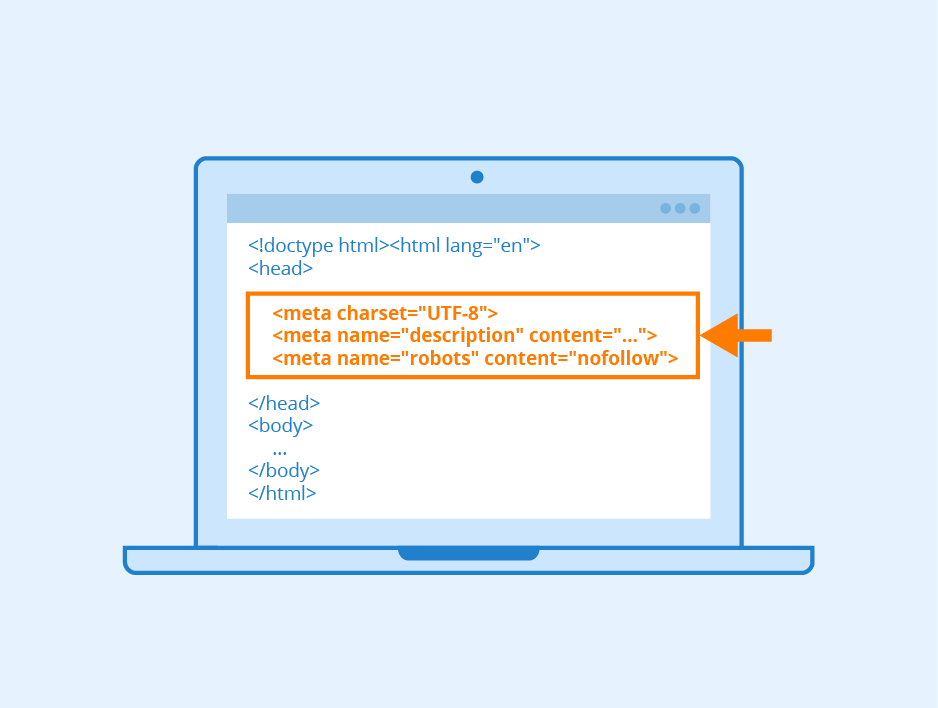
Meta tags are HTML codes that provide information about a website to search engines. They can be found in the head section of a web page's HTML code. Meta descriptions, on the other hand, are snippets of text that appear below the title tag in search engine results pages (SERPs). These short descriptions give users an idea of what they can expect to find on a particular web page. Use of Meta Tags and Descriptions by Search Engines
Search engines use meta tags and descriptions as part of their algorithm when determining how relevant a website is for specific search queries. While not all meta tags have an impact on rankings, some can help improve visibility in SERPs. For example, the meta keywords tag used to be important for SEO but has since been devalued due to spammy practices. However, meta tags such as "meta robots" can provide instructions to search engines about which pages to index or exclude from their database.
Meanwhile, meta descriptions play an essential role in attracting clicks from potential visitors who see them displayed alongside titles on SERPs. A well-crafted description may entice someone searching for a product or service related to your site's content to click through and explore further.
Examples of How Meta Tags and Descriptions Can Affect Website Ranking
Using accurate and descriptive meta tags and descriptions is crucial for improving rankings in organic search results. For instance:
Including target keywords: By incorporating relevant keywords into your metadata, you increase the chances that your site will rank higher for those terms.
Providing clear information: Ensuring that both your title tag and description accurately reflect what users will find on your site helps reduce bounce rates while increasing engagement metrics like time spent per session.
Differentiating yourself: Making sure each page has unique metadata also gives you more opportunities to stand out against competitors trying to rank for similar topics or products.
In short, taking care to optimize your meta tags and descriptions can help boost both visibility and engagement for your eCommerce site. It's a simple yet effective way to gain an edge in an increasingly crowded online marketplace.
Why are Accurate Meta Tags and Descriptions Important for eCommerce Websites?
Importance for Search Engine Rankings
Search engines rely on meta tags and descriptions to understand what a webpage is about. By including accurate keywords and phrases in these elements, eCommerce websites can improve their chances of appearing higher in search engine results pages (SERPs). This means that potential customers are more likely to find their products or services when searching for relevant terms. In addition, meta tags and descriptions provide search engines with important information such as the page title, author, date published, and other metadata. This helps them better understand the content on the page which can further improve its ranking.
Increase Click-Through Rates
Accurate meta tags and descriptions also have a significant impact on click-through rates (CTR). When users see a SERP listing that includes relevant information about their query in the title tag or description snippet, they are more likely to click through to visit that website. For example, if someone searches "women's running shoes" and sees two listings: one with a generic title like "Shop Our Shoes" versus another with a specific title like "Women's Running Shoes | Top Brands & Styles", they are much more likely to choose the latter option.
By crafting compelling titles and descriptions that accurately reflect what each web page offers, eCommerce website owners can increase CTRs which leads to more traffic and ultimately more sales.
Improve User Engagement
Once users arrive at an eCommerce website thanks to effective use of accurate meta tags/descriptions combined with high SERP placement due those same factors improving SEO performance -- it is important keep them engaged once there! Accurate Meta Tags & Descriptions aid this by ensuring visitors land on relevant pages so bounce rates lower; providing concise summaries help people quickly identify whether your site has what they're looking for, so they don't leave immediately. This makes it more likely that visitors will stay on the website longer and be more likely to make a purchase or complete another desired action.
Examples and Case Studies
One example of how accurate meta tags and descriptions can impact an eCommerce website's success is seen with UK-based company Laptops Direct. After improving their title tags and meta descriptions, they saw a 33% increase in organic traffic over six months.
Another case study involves online retailer Zappos who implemented microdata markup (a type of metadata) which improved click-through rates by 30%. By including additional information such as product ratings, prices, and availability within SERP listings through the use of metatags; potential customers were able to quickly identify relevant products without even clicking through to the site itself!
Tips for Creating Effective Meta Tags and Descriptions
Creating effective meta tags and descriptions is essential for eCommerce websites to improve their rankings and engagement. Meta tags provide information about the content of webpages that search engines use to categorize them accurately. Meanwhile, descriptions are what users see when they find your website through search results. Therefore, it's crucial to ensure that both accurately represent the page's content and entice potential customers to click through. Use Relevant Keywords
The first step in creating effective meta tags is using relevant keywords that accurately reflect the webpage's content. Using generic or unrelated keywords can mislead users and decrease engagement rates since they might not find what they were looking for on your site.
To identify relevant keywords, you can use keyword tools such as Google Keyword Planner or SEMrush. These tools help identify popular terms related to your product or service offering while also identifying high-traffic phrases with low competition levels.
Once you have identified relevant keywords for a particular webpage, include them in the title tag and meta description tag appropriately without stuffing them excessively.
Keep it Short and Sweet
Another essential tip for creating effective meta tags and descriptions is keeping them short yet descriptive enough so that users know exactly what they will find on your website before clicking through from search results. Title tags should be ideally between 50-60 characters long, while description tags should be around 150-160 characters long. Keeping within these limits ensures that all necessary information fits within one line of text displayed on SERPs (Search Engine Results Pages).
Furthermore, concise titles and descriptions enable mobile device users to view more information at once without having to scroll down extensively.
Include Unique Descriptions for Each Page
Each webpage on an eCommerce website should have unique titles and descriptions tailored specifically towards its content – this helps prevent duplicate content issues which could negatively impact ranking positions over time if left unaddressed.
For instance, suppose two pages contain similar products but vary regarding specific attributes like color or size options. In that case, they should have different titles and descriptions to distinguish between them.
Adding unique descriptions for each page also provides an opportunity to showcase specific product features or benefits that may not be evident from their titles alone.
Use Structured Data Markup
Structured data markup is a type of code added to webpages' HTML tags that enable search engines to understand the content better. By adding structured data markup, eCommerce websites can display rich snippets on SERPS – this could include images, reviews, or prices.
Using structured data markup enhances CTRs (Click-Through Rates) since users are more likely to click through when presented with informative snippets about products before visiting the website itself. Various types of structured data markup exist depending on the webpage's content – some examples include Product schema.org markups for pages featuring products and Recipe schema.org markups for recipe pages. Webmasters must use appropriate schemas relevant to their website's content accurately.
Don't Duplicate Content
Duplicate meta tags and descriptions across multiple webpages can lead to confusion among users searching for similar products. Additionally, duplicate meta tags and descriptions could trigger penalties from Google due to spammy practices like keyword stuffing or cloaking.
Therefore it's essential always explicitly create unique title tags and description tags as per previously mentioned tips while ensuring no duplication exists throughout your e-commerce site's entire catalog.
Conclusion
In conclusion, accurate meta tags and descriptions are critical for eCommerce websites to achieve higher rankings and improve engagement rates. By including relevant keywords in these tags and descriptions, website owners can attract more qualified traffic to their site while also increasing the likelihood of users clicking through to the page. Additionally, well-crafted meta tags and descriptions can provide potential customers with a clear understanding of what they can expect from a particular product or service before even visiting the website. To ensure that your eCommerce site is optimized for success, take the time to review and update all of your meta data regularly. By doing so, you'll be better positioned to increase conversions and grow your online business over time.